



Flying remains one of the safest ways to travel, yet news about an EasyJet flight emergency landing can naturally raise concerns among passengers. While the phrase sounds alarming, an emergency landing does not always indicate a serious accident. In many cases, pilots choose to land early as a precaution after identifying a technical issue, receiving a medical emergency report, or responding to changing weather conditions.
Modern commercial aircraft are designed with multiple safety systems, and airline crews receive extensive training to handle unexpected situations. Every decision made in the cockpit follows strict aviation regulations that place passenger safety above all else.
This guide explains why an EasyJet flight may perform an emergency landing, how pilots and cabin crew respond, what passengers should expect during the process, and why these events often demonstrate the strength of aviation safety procedures rather than a failure of them.
What Is an Emergency Landing?
An emergency landing occurs when an aircraft lands earlier than planned because continuing the flight may create unnecessary risk. The decision is made by the flight crew after assessing the situation and consulting air traffic control where appropriate.
It is important to understand that not every emergency landing involves danger. Pilots are trained to act early instead of waiting for a problem to worsen.
Types of Emergency Landings
Several situations can result in an emergency landing, including:
- Technical system warnings
- Engine performance concerns
- Medical emergencies involving passengers or crew
- Smoke or unusual smells inside the cabin
- Bird strikes
- Hydraulic or electrical faults
- Severe weather conditions
- Fuel management issues caused by unexpected circumstances
Each situation requires a different response, but the overall objective remains the same: bringing the aircraft safely to the ground.
Why Pilots Choose Precautionary Landings
Commercial pilots are encouraged to take precautionary action whenever safety could be affected. Landing at the nearest suitable airport often reduces risk and allows engineers or emergency responders to assess the aircraft immediately.
Although passengers may feel anxious, these decisions usually reflect good judgement rather than evidence of a major emergency.
Why Might an EasyJet Flight Emergency Landing Happen?
EasyJet operates thousands of flights every week across Europe. Like every commercial airline, it follows international aviation safety standards and continuously monitors aircraft performance.
An emergency landing can happen for several reasons.
Technical Issues
Aircraft contain thousands of components that are monitored throughout every flight. If onboard systems detect an abnormal reading, pilots may decide to divert.
Examples include:
- Electrical faults
- Hydraulic pressure warnings
- Landing gear indications
- Cabin pressurisation alerts
- Navigation equipment concerns
Many of these issues are precautionary and do not mean the aircraft is unsafe.
Medical Emergencies
Medical situations are among the most common reasons for flight diversions.
A passenger may experience:
- Chest pain
- Difficulty breathing
- Severe allergic reactions
- Cardiac symptoms
- Loss of consciousness
When urgent medical treatment is required, landing at the nearest suitable airport may save valuable time.
Weather Conditions
Unexpected weather can also influence operational decisions.
Pilots constantly evaluate:
- Thunderstorms
- Strong crosswinds
- Heavy snowfall
- Poor visibility
- Turbulence
- Volcanic ash advisories
Choosing an alternative airport is often the safest option when weather conditions deteriorate.
How Pilots Decide to Divert an Aircraft
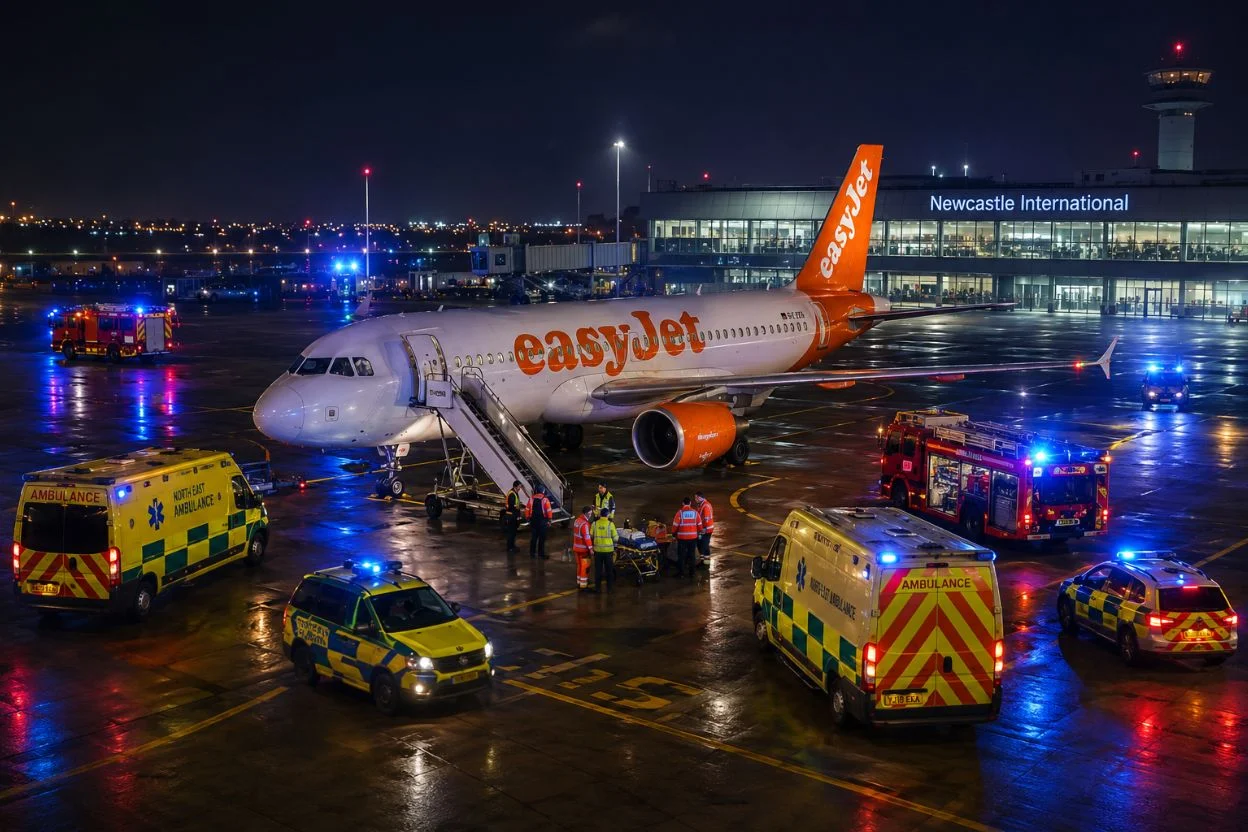
An emergency landing is never a rushed or emotional decision. It follows established procedures developed by aviation regulators and aircraft manufacturers.
Pilots receive detailed information from onboard computers, maintenance systems and air traffic control before deciding whether diversion is necessary.
Risk Assessment
The crew evaluates several factors, including:
- Aircraft performance
- Fuel availability
- Distance to nearby airports
- Weather conditions
- Airport facilities
- Passenger safety
The objective is to identify the safest available airport rather than simply the closest one.
Communication with Air Traffic Control
Once the crew decides to divert, air traffic control provides priority handling.
Controllers help by:
- Clearing surrounding air traffic
- Coordinating emergency services
- Providing updated weather information
- Preparing the runway
- Reducing delays during landing
This coordinated approach helps ensure a smooth arrival even during unexpected situations.
What Passengers Can Expect During an Emergency Landing
Most passengers experience an emergency landing only once, if ever. Knowing what normally happens can reduce anxiety if such an event occurs.
Cabin Crew Instructions
Cabin crew members are trained extensively for emergency situations.
Passengers should expect:
- Clear safety announcements
- Instructions to fasten seat belts
- Cabin preparation checks
- Guidance on brace positions if required
- Calm reassurance throughout the process
Following crew instructions is the best way to improve everyone’s safety.
Emergency Services on Arrival
Many emergency landings are met by airport fire and rescue teams.
This does not automatically mean the aircraft is in immediate danger.
Emergency vehicles attend as a precaution because airports follow strict safety protocols whenever pilots declare an emergency.
After landing, engineers inspect the aircraft before it returns to service.
How Safe Are EasyJet Flights?
Commercial aviation has become exceptionally safe thanks to continuous improvements in technology, pilot training and aircraft maintenance.
EasyJet operates a modern fleet maintained according to strict European aviation regulations.
Multiple Layers of Safety
Aircraft include numerous backup systems designed to maintain safe operations even if one component develops a fault.
Examples include:
- Redundant flight computers
- Backup electrical systems
- Duplicate hydraulic systems
- Advanced navigation equipment
- Continuous engine monitoring
These systems help crews manage technical issues long before they become critical.
Highly Trained Flight Crews
Pilots regularly complete:
- Simulator training
- Emergency procedure exercises
- Recurrent safety assessments
- Medical examinations
- Operational evaluations
Cabin crew also undergo frequent refresher training to prepare for medical events, evacuations and passenger assistance.
Together, these measures create multiple layers of protection throughout every flight.
Common Myths About Emergency Landings
Media headlines sometimes make emergency landings appear more dramatic than they really are.
Understanding the facts helps separate genuine aviation safety practices from common misconceptions.
| Myth | Reality |
|---|---|
| Every emergency landing means the aircraft nearly crashed. | Most are precautionary decisions made early. |
| Emergency vehicles indicate a disaster. | Fire and rescue teams routinely attend declared emergencies as a precaution. |
| Diversions always involve mechanical failure. | Medical emergencies and weather are also common reasons. |
| Aircraft are unsafe after one emergency landing. | Engineers perform detailed inspections before an aircraft returns to service. |
| Pilots avoid emergency declarations. | Professional crews are trained to declare emergencies whenever safety could benefit. |
Rather than viewing an emergency landing as evidence of failure, it is more accurate to see it as proof that aviation safety systems are functioning exactly as intended.
FAQs
Q1. Why would an EasyJet flight make an emergency landing?
An EasyJet flight may make an emergency landing due to a technical issue, a medical emergency, adverse weather, or another precautionary safety concern.
Q2. Are emergency landings dangerous?
Not necessarily. Most emergency landings are precautionary measures, and commercial pilots are highly trained to manage them safely.
Q3. Can passengers claim compensation after an emergency landing?
Compensation depends on the reason for the diversion or delay. If the disruption was caused by extraordinary circumstances, such as a genuine safety issue, compensation may not apply under UK and EU passenger rights.
Conclusion
An EasyJet flight emergency landing is a precautionary measure designed to protect passengers and crew whenever unexpected situations arise. Although these events may sound alarming, they often reflect the effectiveness of modern aviation safety procedures and well-trained flight crews. Understanding why emergency landings happen can help travellers feel more informed and confident when flying. Ultimately, every decision made by the airline prioritises safety, ensuring passengers reach the ground as securely as possible.
